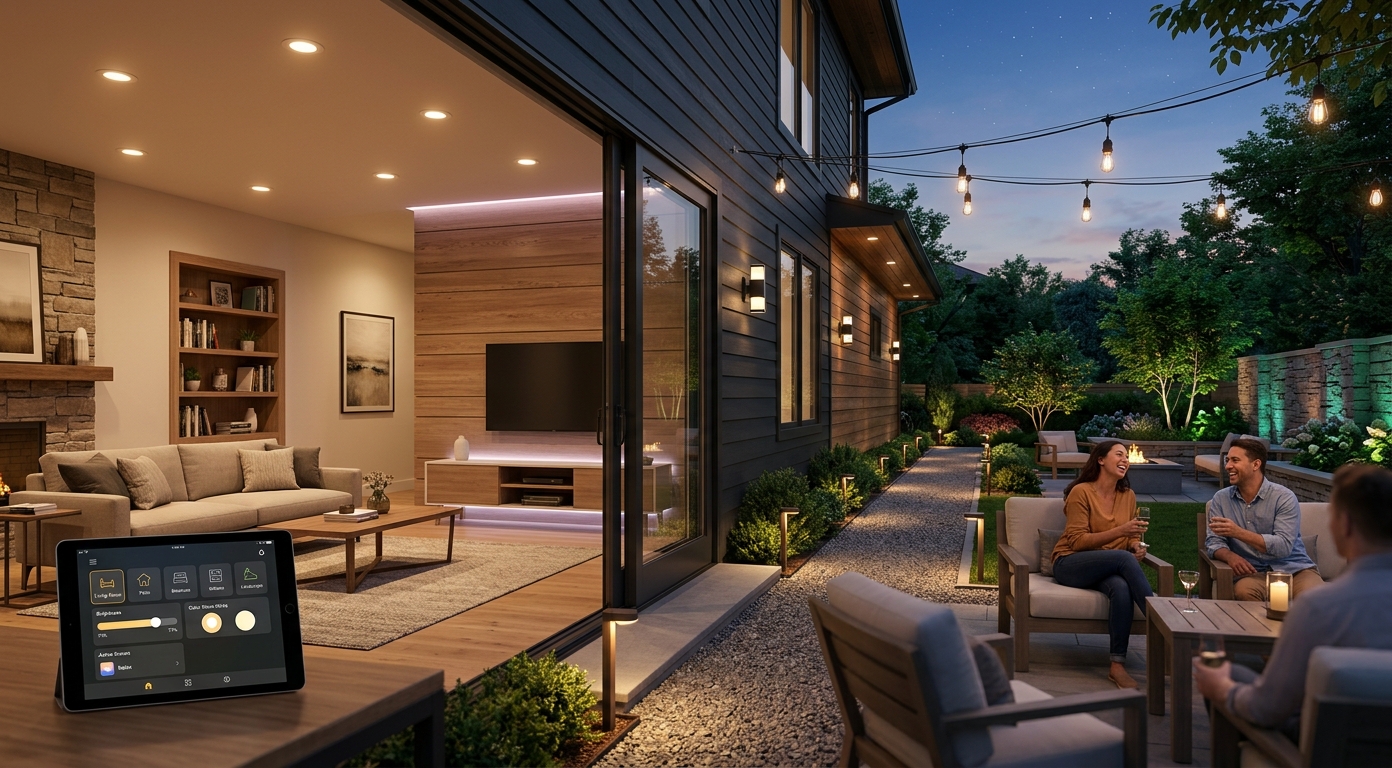
Have you ever struggled with poor lighting, high electricity bills, or dark outdoor spaces after sunset? Traditional lights often lack the flexibility that modern homes need. Fortunately, Smart LED Lighting helps homeowners improve comfort, convenience, and energy management. With Lumary Smart, homeowners can explore modern lighting solutions for different rooms, outdoor areas, and daily routines. However, choosing the right lighting system involves more than selecting attractive bulbs. You must consider installation, brightness, compatibility, and your household's needs. By understanding these factors, you can create a comfortable home and make a smarter investment.
What Common Lighting Problems Do Homeowners Face?
Lighting problems can affect your home's appearance, functionality, and overall comfort. Although traditional fixtures remain useful, they may not meet modern households' expectations.
Common lighting challenges include:
- High electricity consumption: Older lighting systems may consume more energy than necessary.
- Limited control: Traditional switches cannot always adjust brightness or colors.
- Uneven illumination: Poor fixture placement creates dark corners and uncomfortable glare.
- Outdoor visibility concerns: Dim entrances, pathways, and patios make nighttime navigation difficult.
- Inconsistent ambiance: Fixed lighting options may not suit different activities or moods.
These problems often occur when homeowners overlook their daily lighting needs. Therefore, identify your priorities before choosing an effective lighting solution.
Why Do Traditional Lighting Systems Fall Short?
Traditional lighting systems generally offer fewer customization options than connected alternatives. For instance, a standard bulb may provide only one brightness level and color temperature. Consequently, you might need several fixtures to create different lighting effects. You may also forget to switch off unused lights, which wastes electricity. Outdoor lighting presents another challenge. Conventional fixtures often require manual operation, making consistent lighting schedules inconvenient. Fortunately, Smart LED Lighting addresses these limitations through connected controls, adjustable settings, and automation features. Depending on the product, you can manage compatible lights through an app, voice assistant, or scheduled routine. However, smart lighting works best when you select products that match your electrical setup and connectivity requirements.
How to Choose the Right Smart LED Lighting
Before purchasing new fixtures, evaluate your home's layout, lighting requirements, and budget. This approach helps you avoid unnecessary upgrades and disappointing results.
1. Identify Your Lighting Priorities
First, decide what you want your lighting system to accomplish. Different areas require different lighting solutions.
For example:
- Living rooms: Adjustable brightness supports reading, relaxing, and entertaining.
- Bedrooms: Warm lighting creates a comfortable atmosphere before bedtime.
- Kitchens: Bright, even illumination improves visibility during food preparation.
- Home offices: Suitable task lighting improves visibility and may reduce eye strain.
- Gardens and patios: Outdoor fixtures improve visibility and create inviting surroundings.
Once you understand these needs, select fixtures that deliver practical benefits. This way, you avoid paying for features you rarely use.
2. Check Compatibility and Control Options
Next, examine how each lighting product connects to your home. Some devices require Wi-Fi, while others use different connectivity methods or dedicated hubs. Before purchasing, check compatibility with your smartphone and preferred voice assistant. Additionally, review installation requirements, dimming capabilities, and scheduling features. Smart LED Lighting provides greater convenience when your chosen products work smoothly with your existing setup.
3. Consider Energy Efficiency
LED technology generally consumes less electricity than comparable incandescent lighting. However, actual savings depend on wattage, operating hours, brightness settings, and electricity rates. To make an informed decision, compare the energy consumption of different fixtures. Additionally, use timers and automation to prevent unnecessary operation.
Where Should You Install Smart Outdoor Lights?
Outdoor lighting improves visibility while making gardens, driveways, and entertainment areas more inviting. However, outdoor installations must withstand weather exposure and address different lighting challenges. Smart Outdoor Lights give homeowners flexible control over their exterior illumination. Depending on the model, you can adjust brightness, change colors, or create schedules through a compatible app.
Consider these installation areas:
- Entryways: Illuminate doors and entrances to improve nighttime navigation.
- Driveways and pathways: Improve visibility along frequently used routes.
- Patios and decks: Create comfortable settings for outdoor gatherings.
- Gardens: Highlight landscaping, trees, and decorative features.
- Architectural details: Emphasize selected exterior features with accent lighting.
Before installation, choose fixtures rated for your intended outdoor conditions. Also, position lights carefully to minimize glare and avoid disturbing nearby neighbors. For additional convenience, explore Smart Outdoor Lights with scheduling or automation features. These options coordinate illumination with your daily routine and reduce the need for constant manual adjustments.
How Can Smart Recessed Lighting Improve Indoor Spaces?
Some rooms need effective illumination without bulky fixtures that interrupt their design. In these situations, Smart Recessed Lighting provides a streamlined alternative. Recessed fixtures sit inside the ceiling, creating a clean appearance while distributing light throughout the room. Depending on the model, smart versions offer adjustable brightness, color temperatures, or colored lighting.
Consider installing recessed lighting in these areas:
- Living rooms: Create layered lighting for relaxing or entertaining.
- Kitchens: Improve general illumination across work areas.
- Hallways: Maintain consistent lighting throughout connecting spaces.
- Bedrooms: Adjust brightness to suit different activities and preferences.
For the best results, plan fixture placement before installation. Consider ceiling height, room dimensions, furniture placement, and each activity's lighting requirements. Additionally, confirm that your ceiling, insulation, electrical wiring, and chosen fixtures meet the manufacturer's installation requirements. Consider professional installation whenever electrical modifications require specialized expertise.
Why Consider Lumary Smart for Your Lighting Upgrade?
Once you understand your lighting requirements, you can choose a suitable product range more easily. Lumary Smart offers a starting point for exploring connected lighting options designed for modern homes. Instead of replacing every fixture immediately, start with areas where better lighting would make the biggest difference. For example, introduce Smart LED Lighting into your living room before upgrading other spaces.
When exploring Lumary Smart products, compare these important features:
- Control options: Check whether each product supports app control, voice commands, or scheduling.
- Lighting flexibility: Choose brightness adjustments and color options that suit your needs.
- Installation requirements: Confirm fixture dimensions, wiring needs, and compatibility.
- Environmental suitability: Verify weather-resistance ratings for outdoor products.
- Long-term value: Consider energy consumption, expected usage, and useful features.
This comparison helps you prioritize practical benefits instead of paying extra for unnecessary features. Furthermore, a carefully selected combination of indoor and outdoor fixtures creates a more consistent lighting experience. For instance, recessed ceiling lights provide general illumination, while outdoor fixtures enhance the atmosphere beyond your windows.
What Are the Benefits of Upgrading to Smart Lighting?
A well-planned lighting upgrade improves everyday convenience without requiring a complete home renovation.
Here are some key benefits:
- Greater flexibility: Adjust lighting for work, relaxation, and entertainment.
- Convenient control: Manage compatible fixtures through supported apps or voice assistants.
- Personalized ambiance: Choose suitable brightness levels and colors when available.
- Better scheduling: Automate lighting routines to reduce unnecessary operation.
- Modern aesthetics: Combine discreet indoor fixtures with attractive outdoor illumination.
Although smart lighting improves convenience, results depend on product quality, installation, and usage habits. Moreover, automation does not guarantee lower electricity bills unless it reduces overall energy consumption. For homeowners comparing modern lighting products, Lumary Smart offers an option worth exploring. Review the available features to determine whether its products match your household's requirements.
Conclusion: Make Your Home Lighting Work Smarter
Poor lighting can affect your comfort, convenience, and enjoyment of your home. Fortunately, suitable fixtures can address these problems without requiring you to replace every light immediately. First, identify your priorities, check compatibility, and compare energy requirements. Next, consider Smart LED Lighting for flexible indoor control, Smart Outdoor Lights for exterior spaces, and Smart Recessed Lighting for streamlined ceiling designs. With a thoughtful plan, Lumary Smart can support your journey toward a more convenient and personalized lighting setup. Finally, explore the available options, compare their features, and choose upgrades that genuinely improve your everyday life.